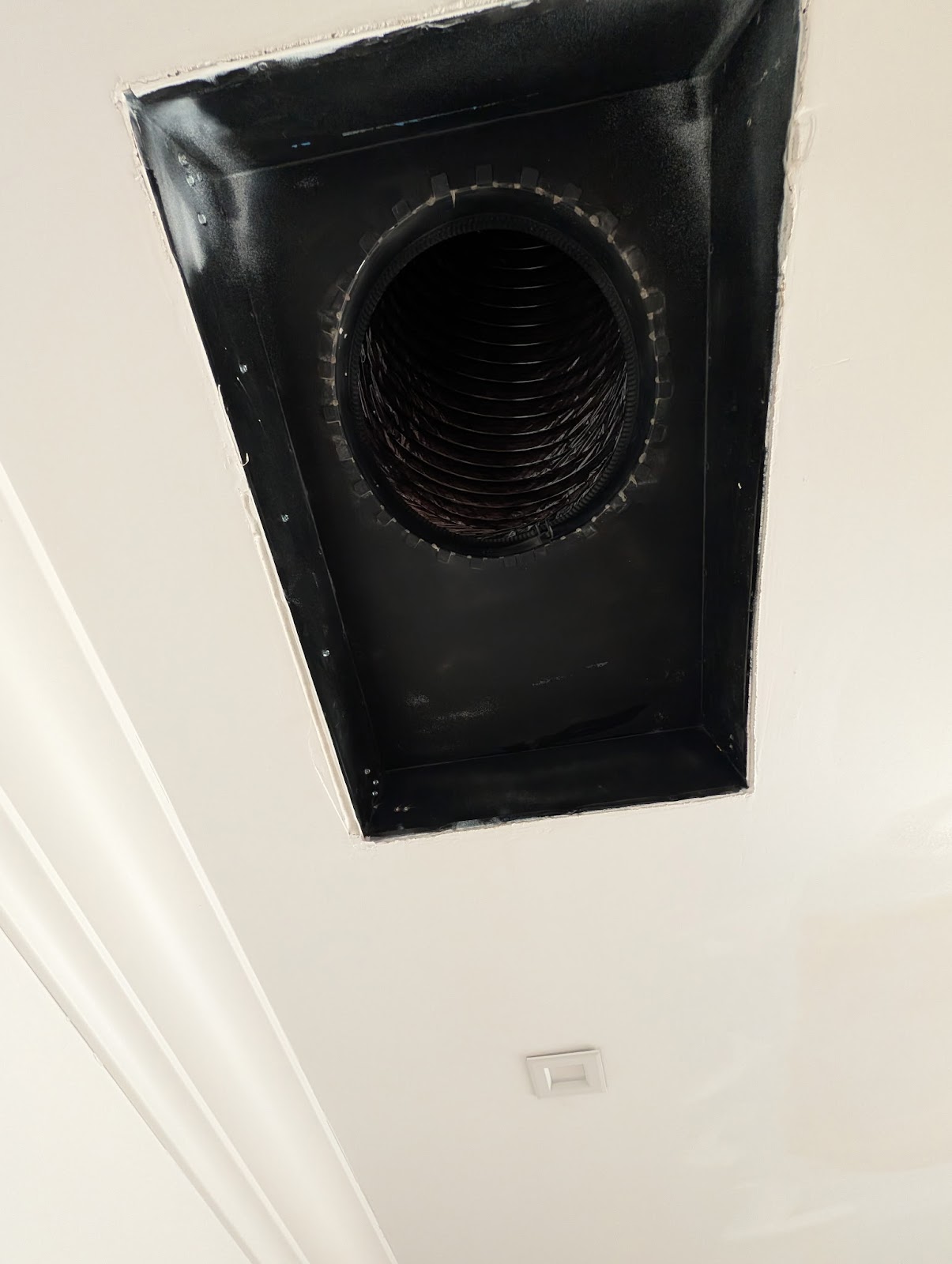
How to Find Honest AC Repair in Chandler, AZ Before the First 110° Day
If you’ve spent more than one summer in the East Valley, you already know what’s coming. April feels nice. May gets warm. Then sometime in early June, the thermometer hits 110°, and every HVAC company in town suddenly has a three-day wait list. That’s the worst possible time to discover your compressor is shot or your capacitor finally gave up.
The smart move is to find honest AC repair in Chandler, AZ before the heat sets in — not at 9 p.m. on a Saturday when your house is 92° and climbing. The problem is that “honest” is the hard part. Plenty of techs in the Valley will tell you that you need a new system when you really need a $40 part. Others quote you a fair price and then nickel-and-dime you on the invoice. Knowing how to spot the difference is half the battle.
Why Pre-Season Matters More in Arizona Than Anywhere Else
In a place like Portland or even Dallas, a struggling AC is uncomfortable. In Chandler, Sun Lakes, or Ahwatukee, it’s a genuine health risk — especially for kids, seniors, and pets. When indoor temps climb past 90° and stay there, you’ve got hours, not days, to get things sorted.
Here’s the other piece most homeowners don’t think about: AC systems rarely fail without warning. They limp into summer. A slightly weak capacitor in March becomes a dead capacitor in July. A refrigerant leak that drops performance 5% in spring becomes a system that can’t keep up when the outdoor temp hits 115°. Pre-season inspections catch those small issues while parts are in stock and techs aren’t booked solid.
I’ve seen the same pattern every year across Mesa, Gilbert, and Queen Creek. The folks who call us in March or April pay reasonable rates and get same-week service. The folks who wait until the first 110° day pay emergency rates and sometimes wait days for a part to ship.
What “Honest” Actually Looks Like in This Industry
The HVAC trade has a reputation problem, and some of it is earned. Here’s what to look for when you’re vetting a company.
Diagnostic Fees You Can See Up Front
A legitimate company will tell you their diagnostic or service call fee before they show up. If someone won’t give you a number on the phone, that’s a yellow flag. The number itself can vary — anywhere from $79 to $129 is normal in the Chandler area — but the willingness to disclose it tells you a lot.
Written Estimates Before Work Begins
Once a tech diagnoses the problem, you should get a written estimate that breaks out parts and labor. Verbal quotes lead to disputes. A company that puts it in writing is a company that stands behind the number.
A Repair-First Mentality
This is the big one. If your system is 8 years old and the tech immediately starts pitching a $12,000 replacement without exploring repair options, get a second opinion. Yes, sometimes replacement genuinely is the right call — especially with older R-22 systems where refrigerant alone can cost more than the repair is worth. But “needs replacement” should be a conclusion, not a sales script.
Proper Licensing and Insurance
Arizona requires HVAC contractors to hold an active ROC license. You can verify it in about thirty seconds at the AZ Registrar of Contractors website. Anyone working on your system should also carry liability insurance and workers’ comp. If they don’t, you’re the one on the hook if something goes wrong.
Common AC Problems We See Across the East Valley
Different neighborhoods have different patterns. Older homes in Tempe and Scottsdale tend to have undersized return ducts and aging R-22 systems. Newer builds in San Tan Valley and Queen Creek often have builder-grade equipment that starts failing right around the 8-10 year mark. Here’s what to watch for regardless of where you live.
Weak Airflow
If certain rooms are noticeably warmer than others, the issue is usually one of three things: a dirty filter, a failing blower motor, or duct leakage. Duct sealing is genuinely underrated in this Valley — studies have shown the average Arizona home loses 20-30% of its conditioned air to leaks in the attic. That’s air you paid to cool, escaping into a 150° attic space.
Short Cycling
If your AC kicks on, runs for two minutes, shuts off, and repeats, something is wrong. Could be a refrigerant charge issue, a thermostat problem, or an oversized system. Don’t ignore it — short cycling burns out compressors fast, and a compressor replacement is the kind of repair that pushes people toward full system replacement.
Rising Electric Bills
If your APS or SRP bill jumped 20% from last summer with no change in usage, your system is working harder than it should. That usually points to a refrigerant issue, a dirty coil, or declining compressor efficiency.
Warm Air From the Vents
Sometimes it’s a simple capacitor. Sometimes it’s a contactor. Sometimes it’s a refrigerant leak that needs to be found and sealed before any recharge will hold. A good tech checks the cheap stuff first.
What to Ask Before You Hire
When you call around for ac repair in Chandler, AZ, a few questions will quickly separate the pros from the ones to avoid.
- How long have you been in business in the Chandler area?
- Are your technicians employees or subcontractors? (Employees tend to be more accountable.)
- Do you offer written estimates before work begins?
- What warranty do you offer on parts and labor?
- Do you work on my brand of equipment? (Trane, Carrier, Goodman, Lennox, Rheem all have different parts ecosystems.)
You should also ask whether they’re familiar with current SEER2 efficiency standards and the refrigerant transition away from R-410A toward R-454B. The industry is shifting fast right now, and you want a contractor who’s keeping up with the changes — not one still installing equipment with refrigerants that’ll be hard to source in five years.
The Pre-Season Tune-Up: Worth It or Not?
Honestly? In Arizona, yes. A proper tune-up is more than someone hosing off your condenser coil. It should include checking refrigerant pressures, testing capacitor microfarads against spec, inspecting the contactor for pitting, measuring temperature drop across the evaporator coil, checking amp draw on the compressor and blower, and tightening electrical connections that vibrate loose over a season.
A real tune-up in March or April catches the failing parts before they fail under load. A quick rinse-and-go in June does almost nothing.
If a company offers a $39 tune-up, ask exactly what’s included. Sometimes it’s a legitimate loss leader. Sometimes it’s a 15-minute upsell visit. Both exist in this market.
Don’t Wait for the Heat
The honest truth is that ac repair in Chandler, AZ gets exponentially harder to schedule once temperatures cross 105°. Parts get backordered. Service windows stretch from same-day to four-day waits. Emergency rates kick in. And techs who are working 14-hour days in attics don’t always do their best diagnostic work.
If your system is more than 7 years old, has shown any of the warning signs above, or just hasn’t been looked at in over a year, now is the time. Whether you’re in Chandler, Gilbert, Apache Junction, Fountain Hills, or Paradise Valley, the calendar is on your side right now. It won’t be in eight weeks.
Ready to Beat the Heat?
At Rush HVAC Services, we’ve spent years building a reputation across the East Valley for straight talk, fair pricing, and real fixes — not unnecessary upsells. Whether you need a pre-season tune-up, a second opinion on a replacement quote, or a diagnosis on a system that just isn’t keeping up, we’d be glad to help. Give us a call or request a free estimate today, and let’s get your home ready before that first 110° day shows up uninvited.