HVAC Tune-Up in Chandler, AZ: Complete Maintenance Guide for Arizona Homeowners | Rush HVAC Services
Maximize Comfort With Effective HVAC Maintenance Tips: Your Complete HVAC Maintenance Checklist
Maintaining a comfortable home environment is essential, especially in regions with extreme temperatures. Effective HVAC maintenance not only enhances comfort but also prolongs the lifespan of your heating and cooling systems. This comprehensive guide will provide you with essential HVAC maintenance tips that every homeowner should know. By implementing these strategies, you can prevent costly repairs, improve energy efficiency, and ensure a healthier indoor environment. We will cover the frequency of HVAC maintenance, specific tips for air conditioning and heating systems, the benefits of professional tune-ups, troubleshooting common issues, and how effective maintenance can enhance indoor air quality.
How Often Should You Perform HVAC Maintenance?
Regular HVAC maintenance is crucial for ensuring the efficiency and longevity of your system. Homeowners should perform HVAC maintenance at least once a year, particularly before peak summer temperatures in Arizona. However, biannual maintenance is ideal due to the extreme heat and dust in the area.
What Is the Recommended HVAC Maintenance Schedule for Homeowners?
The recommended HVAC maintenance schedule for homeowners includes:
Change your air filter every 1–3 months: More frequent changes are necessary if you have pets or allergies.
Schedule a professional service at least once per year: Ideally, this should be done before peak summer temperatures.
Perform seasonal check-ups: For example, a fall check-up for heating systems ensures they are ready for winter.
Regular maintenance helps extend the lifespan of your HVAC system, improves efficiency, and prevents costly breakdowns.
How Does Regular Maintenance Prevent Emergency Repairs?
Regular maintenance prevents emergency repairs by ensuring that heating systems operate efficiently and reliably. Key benefits include:
System Efficiency: Regular maintenance keeps the system running efficiently, which can reduce energy costs.
Early Problem Detection: Technicians can identify and address potential issues before they escalate into emergencies.
Extended Lifespan: Routine maintenance can prolong the life of the heating system, saving money in the long run.
Investing in annual tune-ups and performing simple DIY checks, like changing filters and inspecting vents, can help maintain the heating system and prevent emergencies.
What Are Essential Air Conditioner Maintenance Tips for East Valley Arizona Homes?
Essential air conditioner maintenance tips for East Valley Arizona homes include:
Routine Tune-Ups: Schedule regular maintenance to ensure your system is running efficiently.
Refrigerant Checks: Regularly check and maintain the refrigerant levels to avoid cooling issues.
Airflow Optimization: Ensure that airflow is not obstructed by cleaning filters and condenser units to prevent overworking the system.
Maintenance Plans: Consider enrolling in a maintenance plan to save on emergency repair fees and extend the lifespan of your AC unit.
Early Problem Detection: Regular inspections can help identify issues before they lead to major repairs or replacements.
These practices help maintain efficiency and reduce energy bills during the hot Arizona summers.
How to Replace HVAC Filters for Optimal Air Quality
To replace HVAC filters for optimal air quality, follow these steps:
Check the Filter: Inspect your air filter monthly. If it appears dirty, it's time to replace it.
Choose the Right Filter: Ensure you have the correct size and type of filter for your HVAC system.
Turn Off the System: Before replacing the filter, turn off your HVAC system to prevent any damage or injury.
Remove the Old Filter: Carefully take out the old filter from its slot.
Install the New Filter: Insert the new filter in the same direction as the old one, ensuring it fits snugly.
Turn the System Back On: Once the new filter is in place, turn your HVAC system back on.
For optimal performance, change your air filter every 1-3 months, or more frequently if you have pets or allergies.
Why Clean and Inspect AC Components Regularly?
Cleaning and inspecting AC components regularly is important because it extends the unit's lifespan, improves efficiency, and prevents costly breakdowns. Regular maintenance, such as filter replacement and coil cleaning, helps maintain optimal performance, reduces system strain, and can lower energy bills. Additionally, it allows for the early detection of small issues before they become expensive repairs.
How Can You Maintain Your Heating System for Reliable Winter Comfort?
To maintain your heating system for reliable winter comfort, consider the following tips:
Change Your Air Filter Regularly: Check and replace your air filter every 1-3 months to prevent clogs that can make your system work harder.
Schedule a Seasonal Check-Up: Book a winter HVAC tune-up to ensure your system is running efficiently and to catch any potential issues early.
Seal Air Leaks: Use weatherstripping or caulk to seal drafts around windows and doors to keep heated air in.
Keep Vents Clear: Ensure that furniture or decorations are not blocking vents to allow for proper airflow.
Use Your Thermostat Wisely: Set your thermostat to a steady temperature and avoid cranking it up too high, which can lead to longer run times.
Maintain the Outdoor Unit: Keep the area around your outdoor unit clear of debris to ensure proper airflow.
By following these steps, you can help ensure your heating system operates efficiently and reliably throughout the winter months.
What Are Key Heating System Upkeep Tasks Homeowners Should Know?
Key heating system upkeep tasks homeowners should know include:
Filter Changes: Regularly check and replace air filters to ensure proper airflow and efficiency.
Inspect Vents: Ensure that vents are clear of obstructions for optimal heating.
Monitor Performance: Pay attention to unusual noises or changes in heating performance, indicating the need for professional inspection.
Annual Tune-Ups: Schedule regular maintenance to improve system efficiency, detect early problems, and extend the lifespan of the heating system.
These proactive measures can help maintain your heating system and prevent emergencies.
When to Schedule Professional Heater Repair and Tune-Ups?
Homeowners should schedule heating system maintenance at least once a year, ideally before the winter season. Regular maintenance helps ensure that your heater operates efficiently and can prevent unexpected breakdowns. Additionally, booking a professional HVAC tune-up before temperatures drop too low is recommended to maintain efficiency and potentially cut energy costs by 10–15%.
What Are the Benefits of Scheduling a Professional HVAC Tune-Up?
The benefits of scheduling a professional HVAC tune-up include:
System Efficiency: Regular maintenance helps keep your HVAC system running efficiently, which can reduce energy costs by 10–15%.
Early Problem Detection: Technicians can identify and address potential issues before they escalate into emergencies, preventing unexpected breakdowns.
Extended Lifespan: Routine maintenance can prolong the life of your heating and cooling systems, saving you money in the long run.
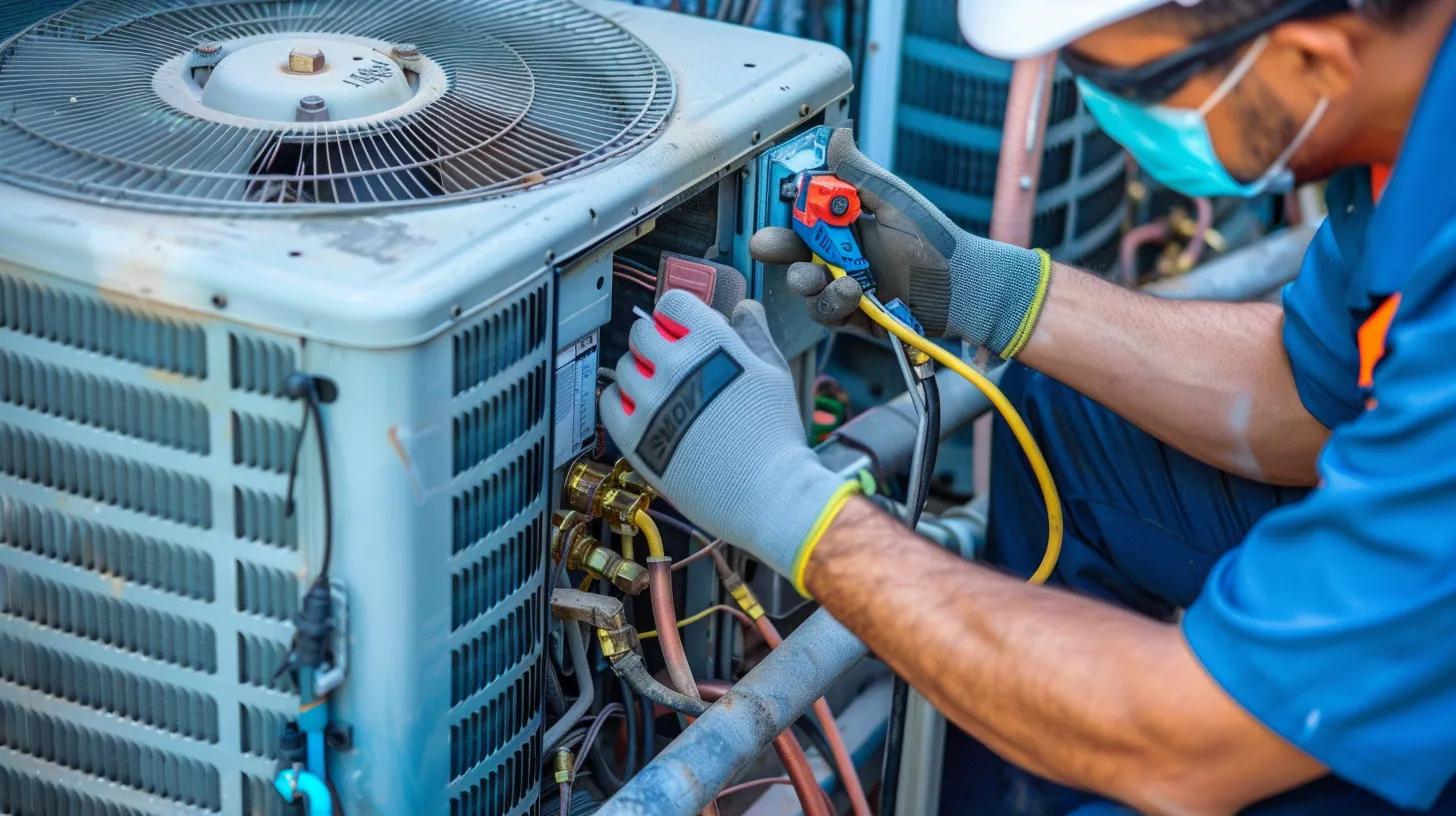
Improved Airflow: A tune-up can clean filters, ducts, and coils, enhancing airflow and overall system performance.
Cost Savings: By catching small problems early, you can avoid more expensive repairs later on.
Overall, regular HVAC tune-ups are a proactive approach to maintaining your system and ensuring reliable performance.
Benefit
Description
Value
System Efficiency
Keeps HVAC running efficiently
Reduces energy costs by 10-15%
Early Problem Detection
Identifies issues before they escalate
Prevents unexpected breakdowns
Extended Lifespan
Prolongs life of systems
Saves money in the long run
Improved Airflow
Enhances airflow and performance
Increases comfort levels
Cost Savings
Avoids expensive repairs
Provides financial relief
This table illustrates the significant advantages of regular HVAC maintenance compared to emergency repairs, emphasizing the importance of proactive care.
How Does a Tune-Up Improve Energy Efficiency and System Longevity?
A tune-up improves energy efficiency and system longevity by ensuring that the HVAC system runs efficiently, which reduces energy costs by 10–15%. Regular maintenance helps identify and address potential issues before they escalate, prolonging the life of the system and preventing unexpected breakdowns. This proactive approach not only saves money in the long run but also maintains consistent comfort in the home.
Why Choose Same-Day HVAC Service in East Valley Arizona?
Homeowners in East Valley Arizona choose same-day HVAC service for several reasons:
Urgency: The extreme heat makes waiting for repairs uncomfortable and potentially dangerous, especially for vulnerable populations like children and seniors.
Frustration with Delays: Many are tired of long service windows and vague scheduling from other companies.
Desire for Transparency: Homeowners prefer clear pricing without hidden fees and want technicians who are prepared and focused on repairs rather than upselling.
Quality of Service: Companies like Rush HVAC Services are recognized for their fast response times, accurate diagnostics, and commitment to customer satisfaction, making them a preferred choice for HVAC needs.
Overall, the combination of speed, reliability, and honest service is driving the demand for same-day HVAC service in the area.
How to Troubleshoot Common HVAC Problems Before Calling for Repairs?
To troubleshoot common HVAC problems before calling for repairs, you can follow these steps:
Check Your Thermostat: Ensure it’s set to the correct mode (HEAT or COOL) and raise the temperature setting. If it's battery-powered, replace the batteries.
Check the Circuit Breaker: Look for any tripped breakers labeled “HVAC,” “Furnace,” or “Heat Pump” and reset them if necessary.
Check the Air Filter: A clogged air filter can cause the system to shut down for safety. Clean or replace it if it's dirty.
Check the Gas Supply (If Applicable): Ensure the gas valve is open. If you smell gas, leave the house immediately and call your gas company.
If these steps do not resolve the issue, it may be time to call a professional HVAC technician.
What Are Signs Your HVAC System Needs Immediate Attention?
Signs that your HVAC system needs immediate attention include:
Unusual noises: Grinding, squealing, or banging sounds can indicate mechanical issues.
Inconsistent heating or cooling: If some rooms are too hot or too cold, there may be airflow issues.
Strange odors: Smells like sulfur or burning can indicate serious problems, such as gas leaks or electrical issues.
Complete system shutdown: If the system stops working entirely, it requires immediate professional inspection.
Increased energy bills: A sudden spike in energy costs can indicate inefficiency or malfunction.
If you notice any of these symptoms, it’s essential to seek professional HVAC assistance promptly.
Can Homeowners Perform Basic HVAC Maintenance Safely?
Yes, homeowners can perform basic HVAC maintenance safely. They can check and replace air filters, inspect vents for obstructions, and monitor the system's performance for unusual noises or changes. These simple DIY checks can help maintain the heating system and prevent emergencies.
How Does Effective HVAC Maintenance Improve Indoor Air Quality and Comfort?
Effective HVAC maintenance improves indoor air quality and comfort by ensuring that the system operates efficiently. Regular maintenance tasks, such as filter replacement and coil cleaning, help prevent the buildup of dust and allergens, which can degrade air quality. Additionally, maintaining proper airflow and system efficiency reduces strain on the HVAC unit, leading to consistent temperature control and comfort within the home. Regular inspections also catch potential issues early, preventing costly breakdowns and ensuring the system runs smoothly.
What Role Do Filters and Thermostats Play in Air Quality?
Filters and thermostats play crucial roles in maintaining air quality in HVAC systems.
Filters: A dirty or clogged air filter restricts airflow, which can lead to the system working harder and potentially freezing coils, ultimately preventing effective cooling. Regularly changing filters (every 1-3 months, or monthly during heavy use) is essential to ensure proper airflow and maintain air quality.
Thermostats: A malfunctioning thermostat can send incorrect signals to the HVAC system, causing it to run inefficiently or not cool properly. Properly setting and maintaining the thermostat helps regulate temperature effectively, contributing to overall air quality and comfort.
In summary, both filters and thermostats are vital for efficient HVAC operation and maintaining good air quality.
How Does Maintenance Enhance Homeowner Comfort and Energy Savings?
Maintenance enhances homeowner comfort and energy savings by ensuring HVAC systems operate efficiently, which reduces energy costs. Regular maintenance, such as annual tune-ups, helps detect potential issues early, prolongs the lifespan of the system, and maintains consistent comfort levels in the home. Additionally, routine checks and filter replacements improve airflow and efficiency, further contributing to lower energy bills.
To ensure your heating system is ready for winter, consider scheduling a heater repair service. Regular maintenance can help prevent unexpected breakdowns and keep your home comfortable throughout the colder months.
📆 Don’t Wait for a Breakdown. Book Now!
The best time to service your system is before you need it. Whether you're a new homeowner, renting, or just trying to be smart with your home expenses, now’s the time.
👉 Book your HVAC tune-up with Rush today and get ahead before the Arizona sun comes back with a vengeance.

