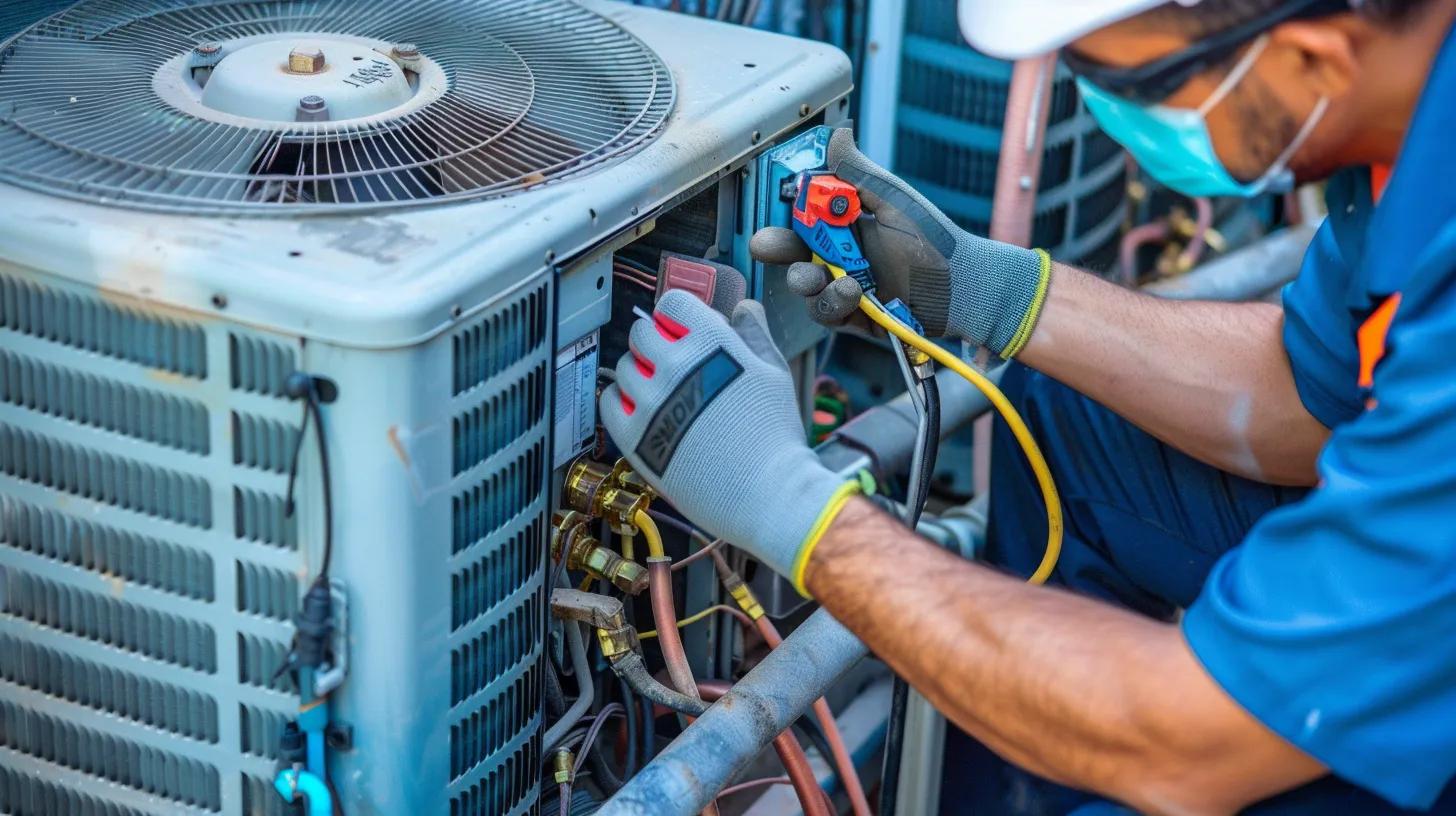
What Are the Signs Your Air Conditioner Needs Repair Before a Phoenix-Area Summer Breakdown?
Every year around late April, our phones start ringing with the same story: “It was working fine last week, and now it’s blowing warm air.” By the time July hits, we’re booked solid, and the homeowners who ignored small warning signs in spring are the ones sweating it out waiting for parts to ship. If you live anywhere from Chandler to Apache Junction, the difference between a $200 repair in March and a $2,000 emergency call in August often comes down to whether you noticed the early symptoms.
The good news is that air conditioners almost always tell you something is wrong before they quit entirely. You just have to know what to listen and watch for.
Why Pre-Summer Diagnostics Matter in the Valley
A residential AC system in Phoenix runs roughly 2,500 to 3,500 hours a year — more than double what the same unit would log in a milder climate. That’s brutal on compressors, capacitors, blower motors, and refrigerant lines. A system that limps through a Tempe spring at 85°F might fail catastrophically the first time it has to hold 75°F indoors against a 115°F afternoon.
Catching problems now means you have time. Time to get parts, time to compare estimates, time to decide whether you’re looking at a repair or a full AC Installation. Wait until June, and your options shrink fast.
The Most Common Signs Your Air Conditioner Needs Repair
Here’s what we tell our customers in Gilbert and Sun Lakes to keep an eye on. None of these symptoms are normal, and none of them get better on their own.
1. Warm or Lukewarm Air From the Vents
If you set the thermostat to 74°F and the air coming out of the supply vents feels room-temperature — or worse, warm — something is wrong. The usual culprits are:
Low refrigerant from a slow leak
A failing compressor
A frozen evaporator coil (often caused by a dirty filter or restricted airflow)
Thermostat miscalibration
A properly functioning system should deliver air about 15-20°F cooler than the return air temperature. Anything less than that during a basic check means it’s time for diagnostics.
2. Weak Airflow
You can hear the system running, but barely any air is coming through the registers. This is often a blower motor issue, a clogged filter, or a duct problem. In older Mesa and Ahwatukee homes, we frequently find collapsed flex duct in the attic that’s been slowly choking the system for years. Duct sealing or replacement is usually cheaper than people expect, and it pays for itself in lower bills.
3. Short Cycling
If your AC kicks on, runs for two or three minutes, shuts off, then starts again a few minutes later, that’s short cycling. It’s hard on every component in the system and almost always indicates one of these:
An oversized unit (common in homes where a previous contractor cut corners)
Low refrigerant
A failing capacitor or contactor
A thermostat installed in a bad location
Short cycling will destroy a compressor faster than just about anything else. Don’t ignore it.
4. Strange Noises
A healthy system has a consistent hum. What you don’t want to hear:
Grinding or screeching — typically a motor bearing or belt issue
Buzzing — often electrical, sometimes a failing capacitor
Clicking that won’t stop — usually a relay or control board problem
Hissing — possible refrigerant leak
We had a customer in Queen Creek last spring who heard a faint hissing for two weeks and assumed it was normal. By the time we got out there, the system was completely empty of refrigerant and the compressor had been running dry. That’s a five-figure mistake that started as a $300 leak repair.
5. Unusual Smells
A musty smell when the system kicks on usually means mold or mildew in the ducts or on the evaporator coil. A burning or electrical smell is more serious — shut the system off and call for AC Repair immediately. We’ve seen melted wiring at the air handler that was one bad day away from a fire.
6. Water Leaks or Excess Moisture
Your condensate drain line carries away the moisture pulled out of your indoor air. When it clogs — which happens often in our dust — water backs up into the pan and eventually onto your ceiling or floor. If you’re seeing water around the indoor unit, or staining on the ceiling below an attic-mounted air handler, you’ve already got a problem developing.
Modern systems have a float switch that shuts the AC off when the pan fills up. So another symptom of a clogged drain is the system simply refusing to run on a hot day, with no obvious cause.
7. Sky-High Utility Bills
APS and SRP bills go up in summer — that’s a given. But if your July bill is dramatically higher than the same month last year, and your usage patterns haven’t changed, your system is working harder than it should. Common causes include refrigerant loss, dirty coils, failing components drawing extra amps, or insulation/duct issues. A tune-up and inspection can usually pinpoint it.
8. High Indoor Humidity
A properly sized AC dehumidifies as it cools. If your Scottsdale or Paradise Valley home feels clammy even when the thermostat says 75°F, your system isn’t pulling moisture out of the air the way it should. This often points to an oversized unit, low refrigerant, or coil problems.
9. The System Is 12+ Years Old and Repairs Are Stacking Up
Most residential systems in the Phoenix area last 10 to 15 years. Heat pumps, which run year-round, tend to fall on the shorter end of that range. Once you’re past the 12-year mark and you’ve had two or three repairs in recent seasons, it’s worth running the numbers on replacement. New high-SEER2 systems (15.2 and up) are significantly more efficient than what was sold a decade ago, and the energy savings in this climate add up quickly.
What to Do When You Notice the Signs
Catching one of these symptoms doesn’t always mean a massive bill. Sometimes it’s a $40 capacitor. Sometimes it’s a clogged drain that takes 20 minutes to clear. The point is to have someone look at it before it becomes the reason you’re sitting in a 95°F living room at 9 PM in July.
A pre-season AC Maintenance visit will catch most of these issues before they become breakdowns. We check refrigerant charge, electrical components, capacitor microfarad readings, coil condition, drain lines, blower performance, and temperature split. It’s the single best investment you can make in keeping your system running through summer.
If you’re already past the point of prevention and the system has quit on a 110°F afternoon, that’s what emergency service is for — but the cost difference between scheduled work and a Saturday-night call-out is significant. Plan ahead when you can.
Don’t Forget the Heating Side
While we’re talking about pre-summer prep, this is also the right time of year to think about your heating system. Furnaces and heat pumps that sat unused all summer can develop problems that don’t show up until the first cold morning in November. If your system struggled last winter, getting Furnace Repair handled now — when our schedule is more flexible — beats waiting until the rush.
Get Ahead of the Heat
Recognizing the signs your air conditioner needs repair is half the battle. Acting on them is the other half. If anything in this post sounded familiar — weak airflow, weird noises, rising bills, a system that’s getting up there in years — let’s take a look before the real heat shows up.
Rush HVAC Services has been keeping homes comfortable across Chandler, Mesa, Gilbert, Sun Lakes, Queen Creek, San Tan Valley, Apache Junction, Tempe, Ahwatukee, Scottsdale, Paradise Valley, and Fountain Hills for years. Whether you need a diagnostic visit, a seasonal tune-up, or an honest second opinion on a repair-versus-replace decision, give us a call or request a free estimate today. We’d rather meet you in April than in the middle of a July heat wave — and we think you’d rather that too.